Search This Blog

Showing posts with label compost. Show all posts

Monday, February 29, 2016

Why is the Carbon to Nitrogen Ratio Important in Compost?

When using or making compost the carbon to nitrogen ratio, oftentimes designated as C:N, is important when determining how much nitrogen should be applied when growing vegetables. The carbon to nitrogen ratio is a good indicator whether plants will benefit from an application of nitrogen or not.
Carbon to nitrogen ratios of 20:1 are frequently set as the “gold standard” for sustaining good growth and development. Carbon to nitrogen ratios lower than this (e.g. 15:1) may result in nitrogen losses to the open air.

Carbon to nitrogen ratios above 40:1 usually mean that nitrogen should be applied to sustain good plant growth. This sometimes accounts for the smell of ammonia coming from very rich compost. Other times it is lost to simply as nitrogen gas which is odorless.

A rich nitrogen compost can be a good thing. Nitrogen is contained in many fertilizers. Fertilizers cost money. A low carbon nitrogen ratio in a compost means you will not have to apply nitrogen for at least 6 to 8 weeks.

At Viragrow the carbon to nitrogen ratio of our compost varies from 20:1 to 15:1. When we make our soil mixes this compost adds plenty of nitrogen to the soil mix and it is quickly available to plants. There is no need to fertilize vegetables, annual flowers, herbs and lawns for eight weeks after their installation. For trees and shrubs, fruit trees and other perennials this amount of fertilizer is enough for one complete growing season.

Get more for your money at Viragrow.

Viragrow Delivers!

Monday, April 27, 2015

Viragrow Coupons in May Bagged Soil Mixes and Composts

Viragrow coupons for May feature many different compost and soil mix bagged products. When purchased in bulk they range in price from $42 to $60 per cubic yard. There is 27 cubic feet in a cubic yard. If these were bought in bulk they would range in price from $1.55 to $2.22 for each cubic foot.

Compare and save. These prices start on Friday!
Viragrow Delivers!


Wednesday, March 25, 2015

Successful Garden and Landscape Raised Beds ....Again!

Sal Ramirez - Very happy with your "Tomato Lady" soil. I plan to get more soon when I expand my garden this year. Here is a link to some of my gardening photos. I give Viragrow permission to use them for promotional purposes. If anyone wants to see updates of my garden they can follow me on https://www.flickr.com/photos/jencat369/9491951286/in/set-72157635029405885   Jennifer

Thanks Jennifer. Very nice job with your raised beds and we are happy you have had success! We will post your pictures here. We hope many others will be inspired with you successes and encourage others to grow their own food at home. You will rest assured where your food comes from and how it was grown.


Viragrow Delivers!

Friday, May 30, 2014

Soils Tips from the Soil Science Society of America on Composts


Whether you're using existing soil, or importing soil to fill raised garden beds, soil amendments are a vital resource for ensuring a productive vegetable garden. Many neglected urban soils are compacted and low in organic matter. Soil amendments are designed to add organic material back into soil, reduce compaction, and improve soil life. All that helps increase the yield of your garden. Here are some tips from the Soil Science Society of America.


Composts
Compost is organic material that has decomposed into a stable state that’s then available for adding to soil. Anything that was once alive can be composted; therefore different composts can vary in their properties. Some of the most common composts available to urban residents are made from the yard debris that is collected curb-side from residents.


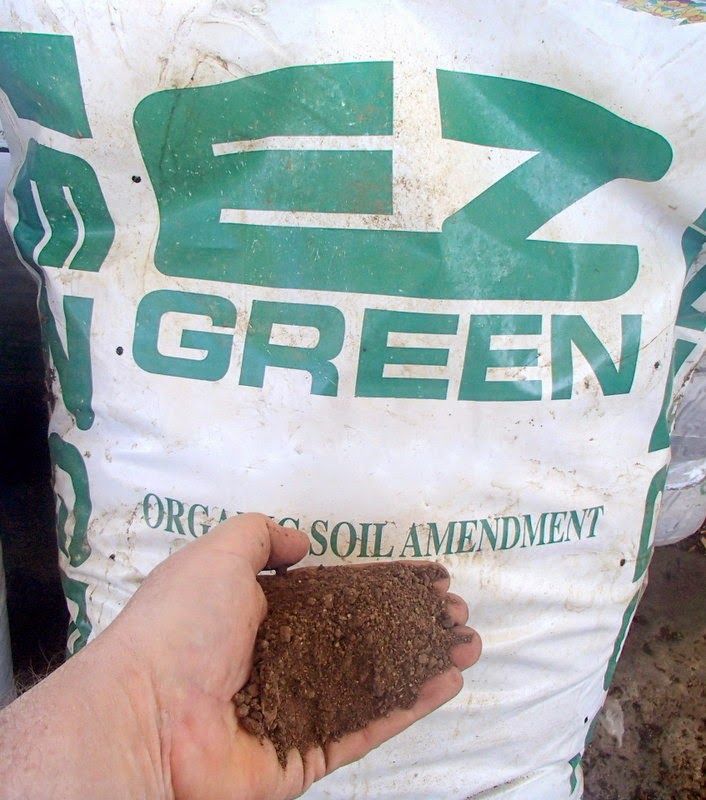
EZ Green Chicken Compost
Manure
Manure can give your garden an incredible boost in nutrients. Make sure the manure you use has been well aged or composted. Check with local agriculture organizations to see if they have a list of local farms willing to share their manure.

Biosolids
Biosolids are the digested, solid portion extracted from the wastewater treatment process. They may not sound pretty—but there’s nothing better for creating an amazing garden. In addition to being 100% recycled and full of macro- and micro-nutrients, biosolids work to build healthy soil like nothing else.

Biosolids are also held to stringent standards by the EPA and have been repeatedly shown to be a safe, effective way to build healthy soil. A small but growing number of cities, however, are investing in the technology to produce Class A biosolids—clean enough to distribute to those gardening in urban areas..

Using amendments
You can add amendments to soil anytime, but the best times for working them into an existing garden are in the spring before planting, and in the fall when putting the garden to bed. Generally, two to three inches is sufficient to work into the garden gently with a shovel.

For more information on soil amendments, visit http://soils.org/discover-soils/soils-in-the-city. Topics under Soils in the City include Community Gardens, Green Infrastructure, Green Roofs, and Soil Contaminants. The Soil Science Society of America also has an informational soils blog called Soils Matter, http://soilsmatter.wordpress.com/.

Thursday, March 13, 2014

Use Cottonseed Meal and Kelp for Your Garden Vegetables

Master Gardener in Las Vegas, Clarita Huffman, was interviewed by Sunset Magazine on how she became such a successful gardener in the unforgiving Mojave Desert in Las Vegas.

Photo: Viragrow has compost, cottonseed meal and kelp. Try it. It works!
Viragrow carries a line of organic supplements including cottonseed meal and seaweed extract and kelp.